Product Guide
Cordless Screwdriver vs Drill: Stop Picking the Wrong Tool for Your Customers
I have lost count of how many buyers ask me this one question. Which tool should I stock? The answer matters more than most people think.
I have lost count of how many buyers ask me this one question. Which tool should I stock? The answer matters more than most people think.
A cordless screwdriver and a drill look similar. They even share some parts. But they serve different jobs. If you choose wrong, your customers get frustrated. Your orders come back. And you lose money. Let me walk you through the real difference.
Cosmihome
As the founder of Cosmihome, I spend my days in factories. I watch machines cut steel. I test screwdrivers until my hands hurt. I do this because I have seen too many buyers trust a pretty spec sheet. Then the tools fail on a job site. That failure costs you money. It costs your customer time. And it destroys your brand.
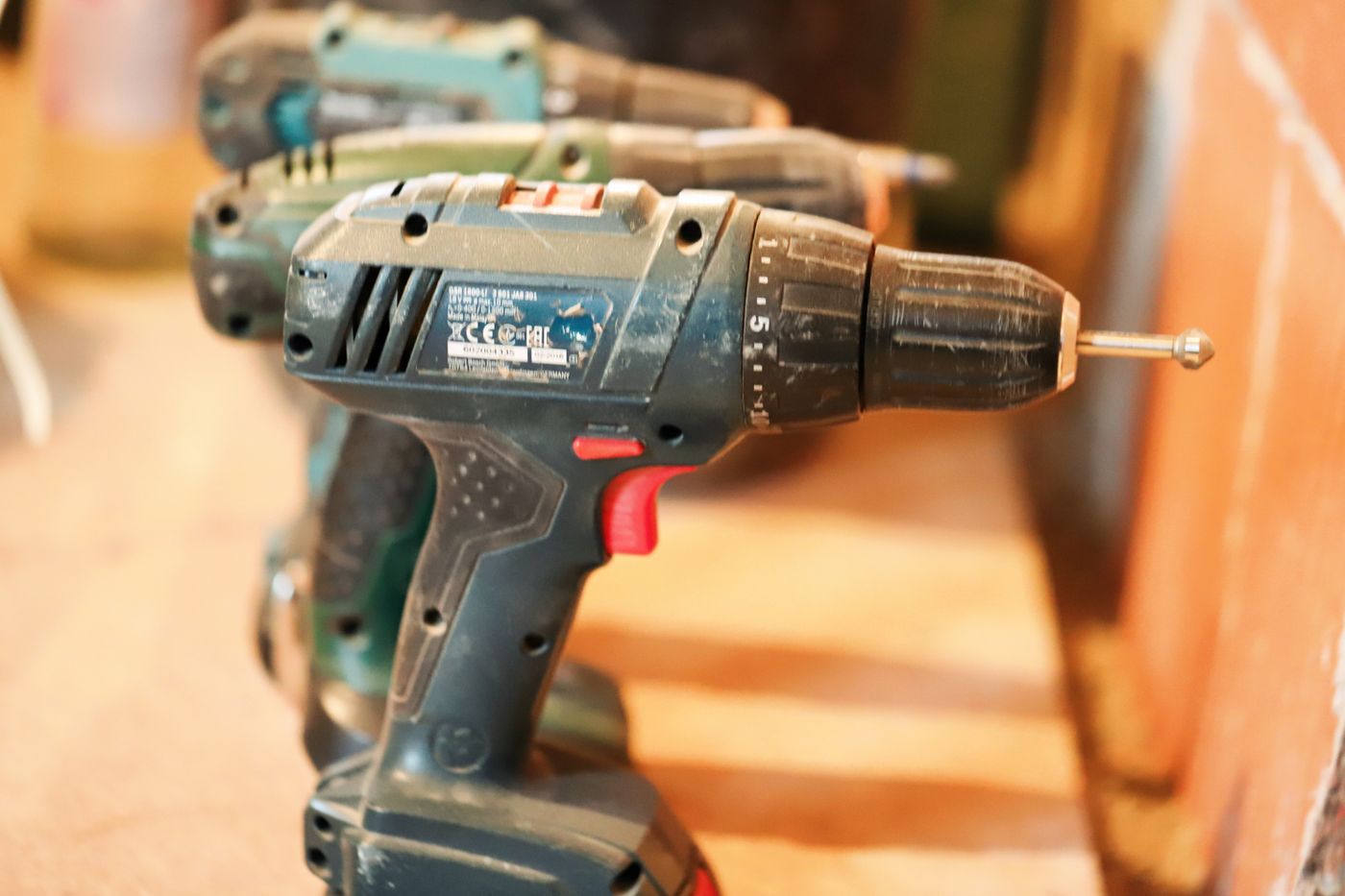
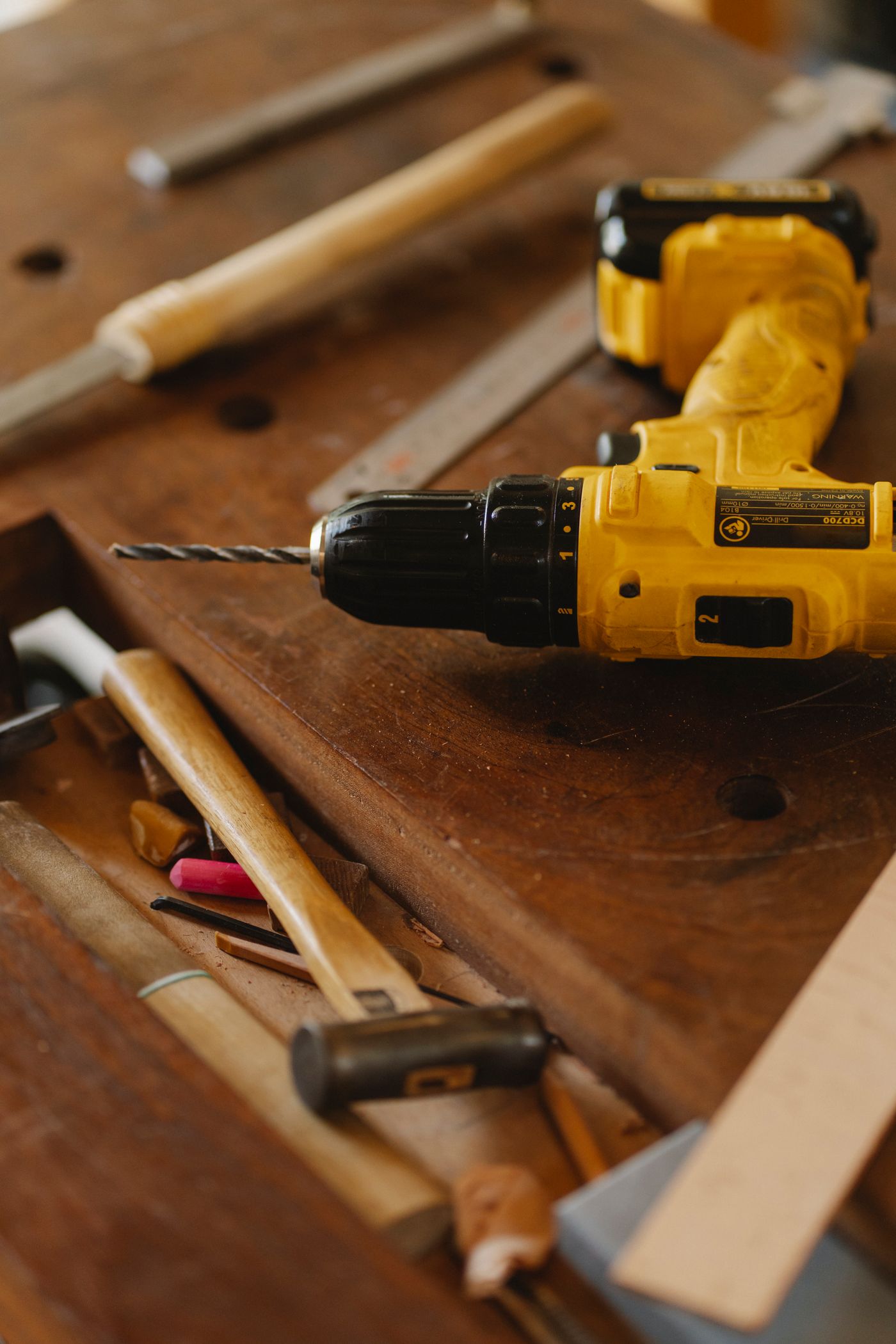
Let me tell you something. Cordless screwdrivers and drills are not the same tool. A screwdriver is built for one task. It drives screws. It has a clutch. That clutch stops the torque when the screw is seated. This prevents stripping and over-driving. A drill is built for another task. It turns a bit at high speed. It can drill holes. It can also drive screws, but it gives you less control.
Here are the key differences.
- A cordless screwdriver runs at low speed. It gives high torque in small steps.
- A cordless drill runs at high speed. It has raw power for cutting into material.
- A screwdriver has a clutch with many settings. That clutch protects the screw head.
- A drill has a chuck that holds round bits. That chuck can also hold screwdriver bits.
- A screwdriver is light and small. A drill is heavier and stronger.
- A screwdriver is for precise work. A drill is for heavy work.
At Cosmihome, we build both. But we build them with clear roles in mind. Our cordless screwdrivers are compact. They are light. They fit in tight spaces. They have a sensitive trigger. They have a torque clutch with many settings. We design them for assembly lines, cabinet installers, and electricians. Our drills are more aggressive. They have high RPM. They handle masonry bits. They can drive large fasteners. We build them for carpenters and contractors.
Here is what matters for a B2B buyer. You need consistency across batches. I have refused many orders because the factory wanted to change a motor. That motor might save ten cents. But it changes the tool's personality. My buyers need tools that perform the same every time. We control every step, from motor winding to final assembly. We run each unit before packaging. We check torque output. We check clutch function. We measure noise and vibration. This is not a marketing claim. It is our daily routine.
Innovation is not just about adding Bluetooth or a fancy screen. It is about solving real problems. We make custom handles for unusual grips. We offer different battery voltages for different buyer needs. We support private label with clear packaging and compliance documents. If you need UL or CE marks, we handle it. If you need custom colors, we can do that too. Our service team answers in hours, not days.
Let me tell you about a recent order. A distributor from the Midwest needed 5,000 screwdrivers with custom colors and UL certification. He needed them in six weeks. We did not promise right away. We checked our parts supply. We checked our test lab schedule. Then we gave him a real date. We shipped on that date. The tools passed his inspection. That buyer now orders every quarter. This is the kind of relationship I want with every customer.
I can give you a simple recommendation. Stock both tools. But know your customer profile. If your customers mostly assemble furniture, install shelves, or work in electronics, they need a screwdriver. If they frame houses, install drywall, or drill into concrete, they need a drill. And if they do both, you can offer a kit with one battery system.
You need a supplier who understands this. You need a partner, not just a factory. At Cosmihome, we treat your orders like our own. That is why our buyers stay with us for years. We prove our value with every shipment. I invite you to test our tools side by side. You will see the difference.
Bosch
Bosch is a big name in power tools. Their cordless screwdrivers are famous for being small and precise. Many electricians love them. They offer good ergonomics and strong electronic control. Their clutch systems are very smooth. If you are looking for a compact screwdriver for light work, Bosch is a safe choice.
But there is a limit. Bosch tools often cost more. Their parts can be hard to find in some regions. And they have so many models that choosing the right one can be confusing. From my experience, Bosch performs best in professional trades that need precision. It is less ideal for price-sensitive markets or for heavy-duty drilling jobs. Some users say Bosch drills lack the raw power of their American competitors. I have seen that feedback in many review threads. That doesn't mean Bosch is bad. It means you should match the tool to the job.
DeWalt
DeWalt has a strong reputation for tough drills. Their 20V line is a standard on many job sites in the US. Contractors trust DeWalt for hammer drills and impact drivers. The build quality is solid. The warranty service is well known. If durability is your top priority, DeWalt is a leading option.
But DeWalt also has trade-offs. Their tools tend to be heavier and bulkier. Their cordless screwdrivers are less focused, because they push drills and impacts harder. A DeWalt screwdriver can feel like overkill if your customers only work with small screws. Also, the price is high. That hurts when you compete against cheaper imports. I have heard from distributors that DeWalt's minimum order policies are strict. Their channel protection is real. So it can be hard to build a private label line with them. In the end, DeWalt is best for heavy-duty drilling and driving. It is not the best fit for delicate work or low-cost entry tools.
Milwaukee
Milwaukee has a great name among tradespeople. Their M12 line is strong. It is small, light, and very reliable. Many electricians and assemblers use M12 screwdrivers every day. They love the battery system. One battery fits many tools. That keeps a crew simple.
But Milwaukee has its own limits. The tools are expensive. The M12 line is powerful, but it is still a light-duty system. It is not built for large holes or heavy concrete work. You need a separate M18 line for that. That means more cost and more inventory. I have seen buyers get excited by the M12 name, then realize the total system price is too high for their market. Milwaukee is a strong choice for premium brands. It is not the best choice for value-driven lines.
Final Thoughts
This article was not meant to say one brand is king. It was meant to help you see the difference between two tools. Both have a place on the shelf. Your job is to choose based on your customers' needs. Do not rely on specs alone. Test machines. Ask for quotes. Open the tools. Feel the trigger. Check the warranty. Then decide.
At the end of the day, I am always happy to talk. If you have questions about cordless screwdrivers, drills, or sourcing in general, email me. I will give you a straight answer. You can reach me through our website. Or just send a message. I am Jerome, and I build tools for people who sell tools. Let's get you the right line.